Designing a home is like one of those Cosmo quizzes from the '80's. You remember those, right? This is from one called
"Are you in love or forcing it?"
1. Which would be the absolute worst?
- A. Being single
- B. Dating a guy you don't click with
If you were like me, you probably loved hanging out with your girlfriends taking turns answering the seemingly silly questions in the latest issue of Cosmo. Maybe that kind of Cosmo quiz isn't for you anymore, but the idea behind the quiz was always to get the reader thinking about some of their biggest pain points in their love life. That's what we're going to be doing this week... sort of. I want to take those same "Cosmo Quiz" principles and apply them to designing a home because committing to a home improvement project is like committing to a relationship. And YOU deserve to be in love with a house that loves you back!
Raise your hand if this is you:
- I have at least 3 Pinterest boards or Houzz idea books dedicated to designing a home.
- I can't figure out which ideas to keep and which ones to skip.
- I am worried about white subway tile being too trendy.
- I have zero idea books or boards on designing a home that is functional.
- I can see myself living in my house for the rest of my life. BONUS QUESTION:
- I have done google searches to find a local interior designer to work with, but have no idea how to choose the right one.
Tip 1: Make a List of What You Want
About 2 years ago Architectural Digest's online magazine Clever published an article called "Beware the Pinterest House" In brief, it's all about how Pinterest and Houzz can be overwhelming resources for designing a home. Without a good way to distill those ideas you may end up with something that is more hodge-podge than a classically beautiful and well-appointed transitional space.
Don't get me wrong, I'm not saying to abandon these resources. They can be very helpful, even if you work with a designer. Images from these sites can give us a clearer picture of your style. However, I recommend eventually making an old school list with pen and paper.

Go through the images and jot down what it is you like about each space. You may want to make categories. For example if you're remodeling a kitchen, you may want to have a place to capture ideas for backsplash, cabinets, counter tops, lighting, and layouts/space plans. Then, take note of any themes you see emerging. Does every single kitchen have brightly colored hand-crafted tile backsplash? Are all of the cabinets white? Is there a particular space plan/layout to which you're drawn? Make notes and use them.
Tip 2: STOP Playing the Field & Set a Date Already!
STOP LOOKING!!! If I could put that in flashing red lights I would. Why? Much like "playing the field" you're never going to commit to a good plan for designing a home if you're still out there looking. The latest shiny, pretty thing will pop up in your feed and you will second guess your choices, thereby questioning the plan. You're going to end up frustrated and confused. Trust me. The only solution is to stop looking.
In fact, you should set a "stop looking date" for yourself. That date should occur long before you start to take action on the project. This can mean different things based on the professional with whom you've decided to work. If you're working directly with a contractor, you will want to have very specific selections made because they may not have the time or desire to make these choices for you. If you are working with an interior designer, you may just want to have some basic ideas of what you want. While we love to be pointed in the right direction, most designers assume that you have consulted us because you want something better than you could design on your own. We usually have the expectation of being the creative authority on the project.
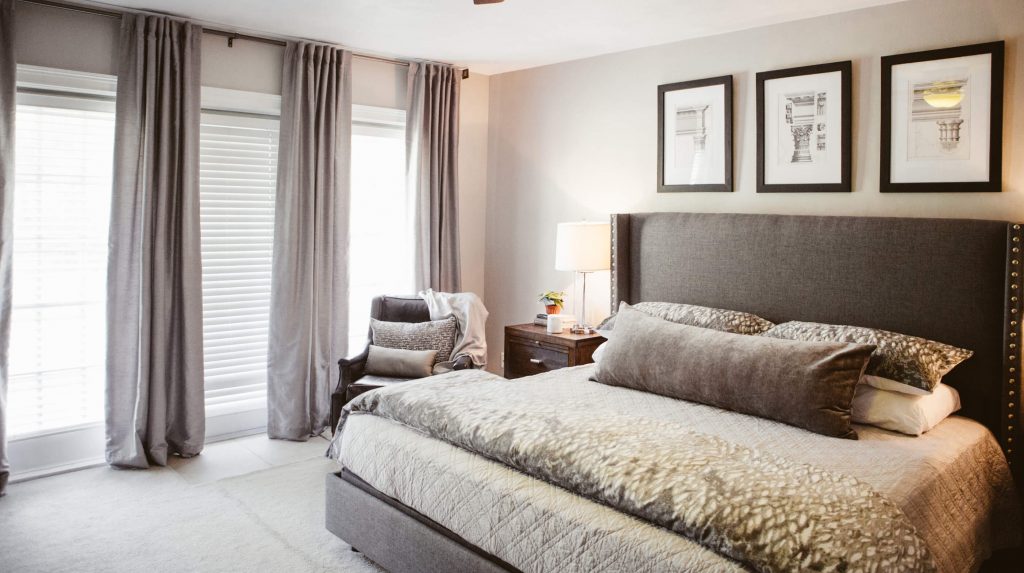 This project had a few "set the date already" moments, which caused a couple of issues with momentum, but once the client started saying "yes" we got some great momentum!
No matter with whom you work, looking for new ideas after the remodeling or redecorating process has begun will likely result in you changing your mind. This in turn will result in you and the professionals working with you becoming frustrated. The whole process will feel like being on a very long, very bad date.
Tip 3: Good Looks Aren't Everything
It's right there in our tag line - beauty, quality, and function. Designing a home is more that just creating beautiful spaces. If you are planning a pre-retirement remodel with the intention that the new design will support you throughout the next phase of your life, then you need to think about more than just if the space will look stylish for the long term. You must also think about how the space will support your activities of daily living for the long term.
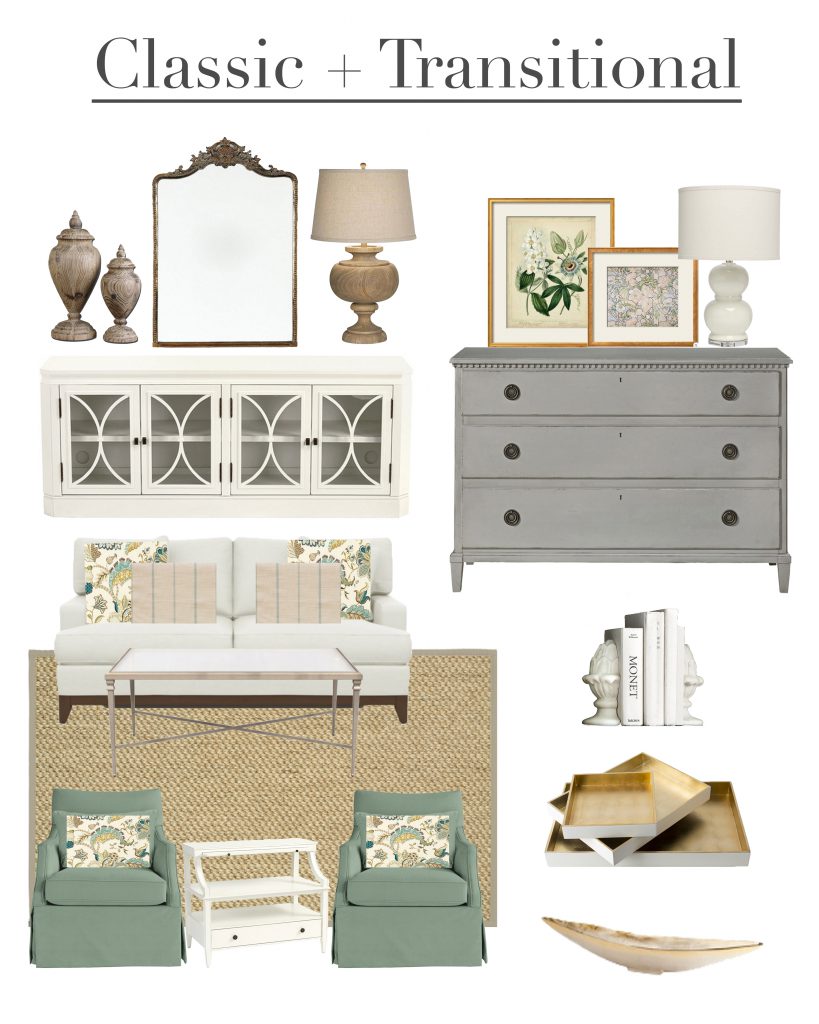
- Beaudry Mirror
- Double Gourd Lamp
- Sinclair Media Chest
- Hartwell Sofa
- Courtney Spa Pillow
- Artichoke Bookends
- Dorset Table
- Seagrass Rug
- Larkin Swivel Chair
- Sidney Open Sided Table
When designing a home, you also need to invest in high-quality items. This doesn't always equate spending a fortune, but it generally does mean that you need to have a budget that can accommodate higher quality goods. I like to think of it as investing in your future. I can imagine that it would be frustrating to completely remodel your house with the intention of never needing to remodel again, only to have the design fail you in a few years. My recommendation? Spend some time learning about what makes furniture and home goods quality and how to create functional spaces for activities of daily living... Or hire a designer that makes these a priority.